
LDM barrier therapy
Water-kinetic ultrasound helps calm inflammation and support the skin barrier, reducing reactivity between sessions.
A calm, step-by-step plan for facial redness at Nest Clinic — our women doctors identify what is driving the flushing, then combine barrier repair, gentle energy treatments and medical skincare to settle it.

Facial redness is managed by treating its cause — rosacea, a damaged skin barrier, visible capillaries or inflammation — rather than covering it. At Nest Clinic we combine LDM barrier therapy, gentle low-energy laser treatment and prescription topicals, usually every 1–2 weeks. Most patients see calmer, less reactive skin after 4–6 sessions. Redness can return with heat, alcohol or sun, so trigger control and maintenance are part of the plan.
Persistent redness on the cheeks, nose and chin usually comes from dilated surface blood vessels, a weakened skin barrier or ongoing inflammation. Common causes include rosacea, over-exfoliation, harsh actives, sun damage and sensitivity to heat, spicy food or alcohol. Each cause needs a slightly different plan.
Redness often overlaps with skin inflammation and the red marks left behind by acne. Distinguishing flushing, fixed redness and post-acne marks is the first step of every consultation.
Your plan is built from these elements — the mix depends on whether your redness is vascular, inflammatory or barrier-related.
Water-kinetic ultrasound helps calm inflammation and support the skin barrier, reducing reactivity between sessions.
Low-energy settings on our Clarity laser platform can target visible vessels and diffuse redness with careful, conservative energy.
Where rosacea is suspected, your doctor may prescribe anti-inflammatory creams or gels used under follow-up.
A Q Facial session cleanses gently and hydrates without the friction that can worsen sensitive skin.
Rejuran or exosome-based care may be suggested to support thin, reactive skin as part of a longer plan.
A simple, fragrance-free routine with mineral sunscreen and guidance on heat, alcohol and exfoliants protects your progress.
Drag the handle to compare. Redness usually settles gradually over several sessions as the barrier recovers.
Illustration for explanation only — not a patient photograph. Individual results vary; real case photos are shown during your consultation.
Most patients experience only mild warmth or pinkness for a few hours. Uncommon risks include temporary swelling, small bruise-like marks after vascular laser, short-term flare of sensitivity and, rarely, pigment change in darker skin. We reduce these with conservative energy, cooling and spacing sessions appropriately.
Magnified imaging to identify the type of redness.
Device, topical and barrier mix chosen for your skin.
Low-energy laser or LDM, about 30–40 minutes.
Soothing and calming to settle the skin immediately.
Sunscreen, trigger advice and topicals for lasting calm.
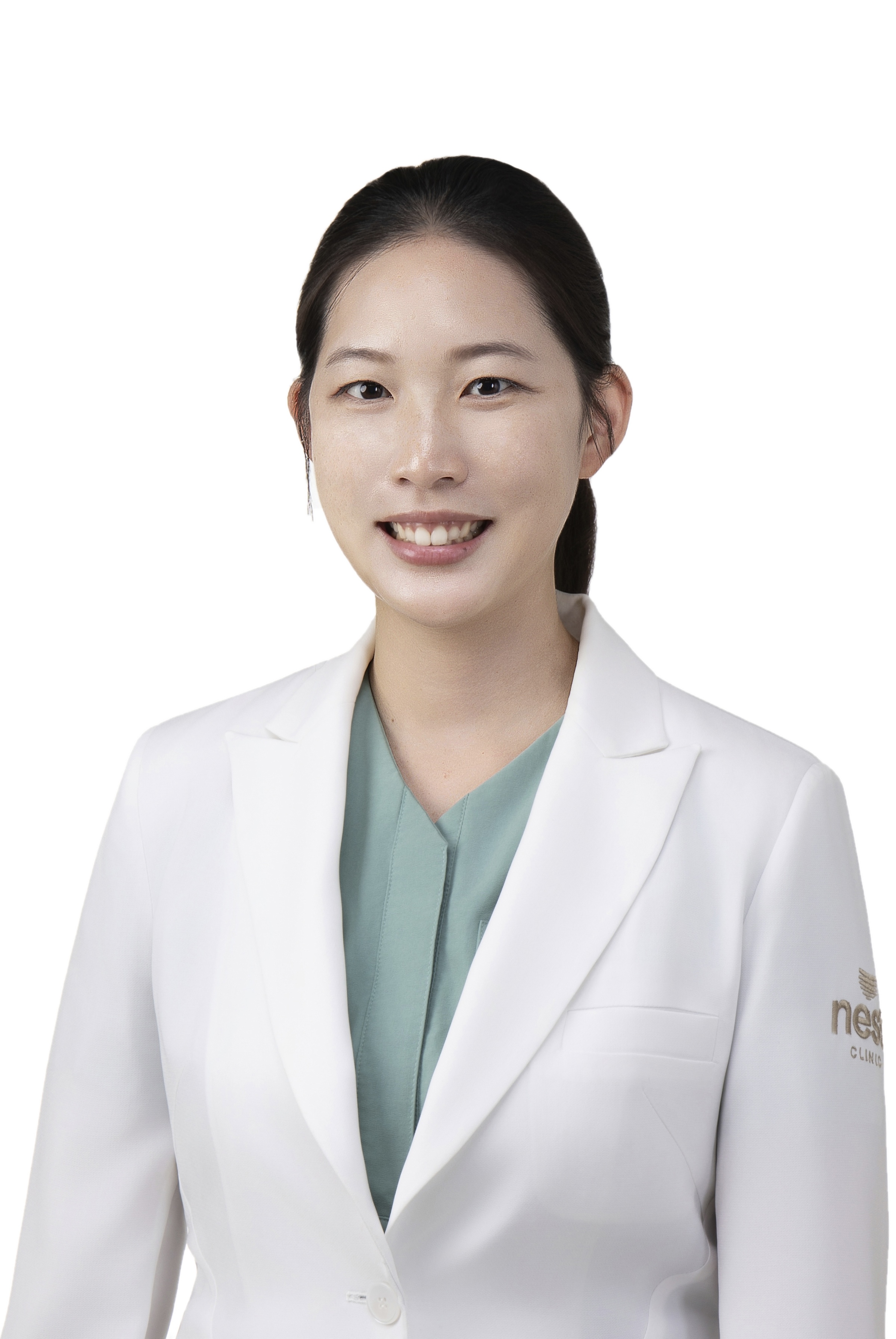
Dr. Song graduated from Seoul National University College of Medicine and is a member of Korean societies for laser, skin and hair medicine and aesthetic medicine. She focuses on skin-quality treatments — lasers, acne and pigmentation care. Nest Clinic is led entirely by women doctors, with one-to-one consultations.
This page was medically reviewed by Dr. Hee-in Song in October 2026. It is for general information and does not replace an in-person diagnosis.
Send a photo on WhatsApp for a first opinion in English, then book a skin analysis with our doctors.
Nest Clinic Gangnam · 4F–5F Seocho Building, 453 Gangnam-daero, Seocho-gu, Seoul
Sinnonhyeon Station Exit 7 · Gangnam Station Exit 10
Mon–Fri 10:00–20:00 · Sat 10:00–17:00 · Sun closed
Results differ from person to person. All medical procedures carry potential risks and side effects; a doctor will explain them before treatment. Information on this page is educational and not a substitute for a personal medical consultation.
✨ Personalized Skin Consultation – Start Your Journey to Healthier Skin!
📋 Takes Less Than 30 Seconds!
🧑⚕️ Reviewed by Certified Dermatology Specialists
🌎 English Support Available

Address: 4th and 5th Floor, Seocho Building, 453 Gangnam-daero, Seocho-gu, Seoul, South Korea