
Q-switched toning
Low-energy Nd:YAG passes that gradually reduce diffuse pigment.
Dual Toning at Nest Clinic combines two low-energy laser toning methods in one session, so our women doctors can address pigment at different depths while keeping heat and irritation low.
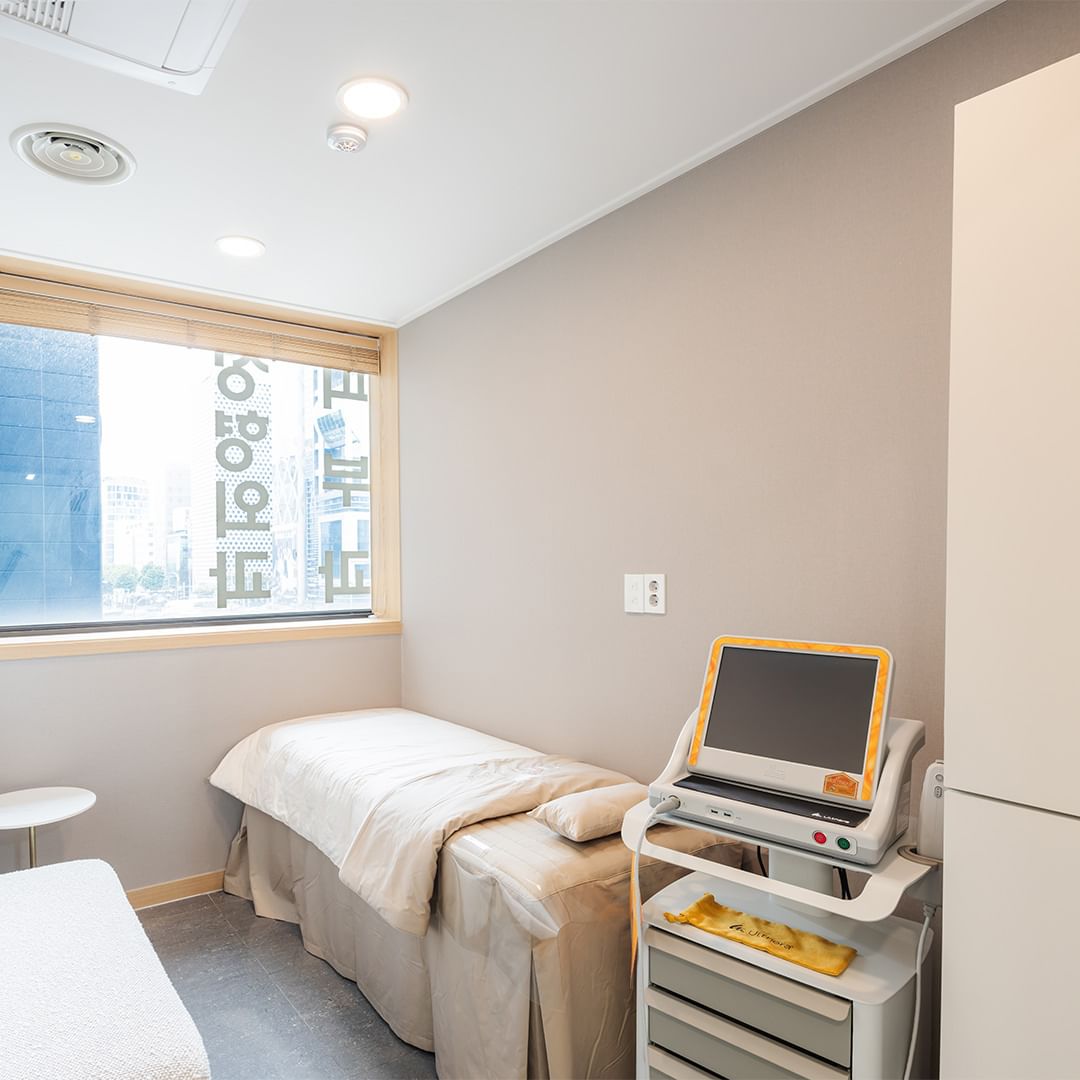
Dual Toning combines two laser toning methods in a single session — typically low-energy Q-switched Nd:YAG with pico toning — to target pigment at different depths. Each pass is gentle, so pigment fades gradually with less heat than a single aggressive laser. It is used for melasma, uneven tone, dullness and post-acne marks. Most patients need 5–10 sessions every 1–2 weeks, with little downtime. Results vary and maintenance is usually needed.
Laser toning uses low energy spread evenly across the face to break down excess pigment gradually. Dual Toning pairs two methods: Q-switched Nd:YAG toning for broader, diffuse pigment and pico toning, whose ultra-short pulses act with less heat on finer, stubborn pigment.
It is a core part of our melasma treatment and also helps uneven skin tone, skin darkening and post-acne marks. Sharply defined spots, such as sun spots, may need a separate targeted laser.
Energy, passes and interval are adjusted to your pigment type, depth and skin tone.
Low-energy Nd:YAG passes that gradually reduce diffuse pigment.
Picosecond pulses that target finer pigment and refine texture with minimal heat.
Barrier-supporting ultrasound after laser to keep inflammation, and rebound pigment, low.
Tranexamic acid or brightening infusions where appropriate, especially for melasma.
Tinted, broad-spectrum sunscreen and a gentle routine to protect results.
Drag the handle to compare. Pigment fades gradually over a series of gentle sessions.
Illustration for explanation only — not a patient photograph. Individual results vary; real case photos are shown during your consultation.
Light redness, warmth or mild dryness are common and usually settle within hours. Uncommon risks include temporary darkening, patchy lightening (hypopigmentation) if treatment is too frequent or strong, and flare-ups after intense sun exposure. Conservative settings, sensible intervals and barrier care help reduce these risks.
Magnified imaging of pigment type and depth.
Laser combination and settings selected.
Two toning passes, about 20–30 minutes.
LDM and cooling to settle the skin.
Sunscreen and a gentle routine between sessions.

Dr. Lee trained at Seoul National University College of Medicine (M.S.) and completed residency at Seoul National University Hospital. Before joining Nest Clinic she was director at VS Line Clinic in Apgujeong. Nest Clinic is led entirely by women doctors, with one-to-one consultations rather than high-volume treatment.
This page was medically reviewed by Dr. Kyung-yeon Lee in October 2026. It is for general information and does not replace an in-person diagnosis.
Send a photo on WhatsApp for a first opinion in English, then book a skin analysis with our doctors.
Nest Clinic Gangnam · 4F–5F Seocho Building, 453 Gangnam-daero, Seocho-gu, Seoul
Sinnonhyeon Station Exit 7 · Gangnam Station Exit 10
Mon–Fri 10:00–20:00 · Sat 10:00–17:00 · Sun closed
Results differ from person to person. All medical procedures carry potential risks and side effects; a doctor will explain them before treatment. Information on this page is educational and not a substitute for a personal medical consultation.
✨ Personalized Skin Consultation – Start Your Journey to Healthier Skin!
📋 Takes Less Than 30 Seconds!
🧑⚕️ Reviewed by Certified Dermatology Specialists
🌎 English Support Available

Address: 4th and 5th Floor, Seocho Building, 453 Gangnam-daero, Seocho-gu, Seoul, South Korea