
Laser toning
Low-energy Q-switched Nd:YAG passes break up pigment gradually without heat injury — the cornerstone for all skin tones. Often combined as Dual Toning.
A gentle, multi-step melasma program at Nest Clinic — low-energy laser toning, barrier repair and tranexamic acid care, planned by our women doctors to fade patches without triggering rebound pigmentation.

Melasma responds best to a combination rather than a single strong laser. At Nest Clinic we pair low-energy laser toning (Q-switched or pico) with LDM barrier care and tranexamic acid, repeated every 1–2 weeks. Most patients notice a brighter, more even tone after 3–6 sessions, with the fullest result around 8–12 weeks. Melasma can recur, so daily sun protection and maintenance sessions are part of the plan.
Melasma is a chronic pigmentation condition that appears as symmetrical brown or grey-brown patches, most often on the cheeks, forehead, upper lip and chin. It is driven by a mix of UV and visible light, heat, hormones (including pregnancy and oral contraceptives) and inflammation — which is why aggressive lasers can make it darker.
It often sits alongside other pigment, such as freckles, sun spots or post-inflammatory hyperpigmentation. Telling them apart is the first step of every consultation.
Every plan is built from these steps — the mix and intensity depend on your melasma type, depth and skin tone.
Low-energy Q-switched Nd:YAG passes break up pigment gradually without heat injury — the cornerstone for all skin tones. Often combined as Dual Toning.
Ultra-short picosecond pulses target stubborn, deeper pigment and refine texture with less heat than conventional lasers.
Water-kinetic ultrasound calms inflammation and strengthens the barrier — essential to prevent rebound darkening between laser sessions.
Topical, injected or oral tranexamic acid reduces the signals that trigger new pigment, especially in recurring, hormonal melasma.
Vitamin C and brightening boosters support an even, luminous tone and help with dull complexion.
Melasma-safe peels and a prescribed home routine — with broad-spectrum, tinted sunscreen — protect your results long term.
Drag the handle to compare. Melasma fades in layers over several sessions rather than disappearing overnight.
Illustration for explanation only — not a patient photograph. Individual results vary; real case photos are shown during your consultation.
Laser toning is generally well tolerated. Temporary redness, mild dryness or a few hours of warmth are common. Uncommon risks include temporary darkening, uneven lightening (hypopigmentation) if over-treated, and flare-ups after strong sun exposure.
Magnified imaging to identify melasma type and depth.
Laser, barrier and medication mix set by your doctor.
Low-energy toning, about 30–45 minutes.
LDM and cooling to keep inflammation low.
Sunscreen and topical plan for lasting results.
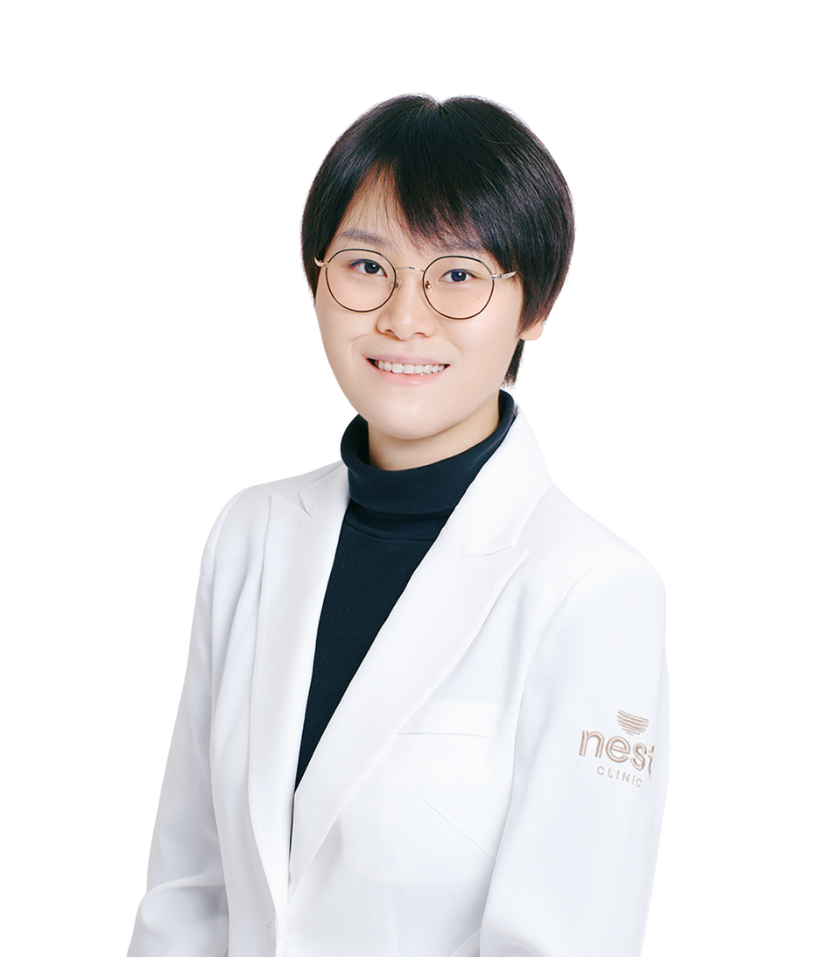
Dr. Lee trained at Seoul National University College of Medicine (M.S.) and completed residency at Seoul National University Hospital. Before joining Nest Clinic she was director at VS Line Clinic in Apgujeong. Nest Clinic is led entirely by women doctors, with one-to-one consultations rather than high-volume treatment.
This page was medically reviewed by Dr. Kyung-yeon Lee in October 2026. It is for general information and does not replace an in-person diagnosis.
Send a photo on WhatsApp for a first opinion in English, then book a skin analysis with our doctors.
Nest Clinic Gangnam · 4F–5F Seocho Building, 453 Gangnam-daero, Seocho-gu, Seoul
Sinnonhyeon Station Exit 7 · Gangnam Station Exit 10
Mon–Fri 10:00–20:00 · Sat 10:00–17:00 · Sun closed
Results differ from person to person. All medical procedures carry potential risks and side effects; a doctor will explain them before treatment. Information on this page is educational and not a substitute for a personal medical consultation.
✨ Personalized Skin Consultation – Start Your Journey to Healthier Skin!
📋 Takes Less Than 30 Seconds!
🧑⚕️ Reviewed by Certified Dermatology Specialists
🌎 English Support Available

Address: 4th and 5th Floor, Seocho Building, 453 Gangnam-daero, Seocho-gu, Seoul, South Korea